Why Natural Skincare Australia Is Shifting Away From Synthetic Routines
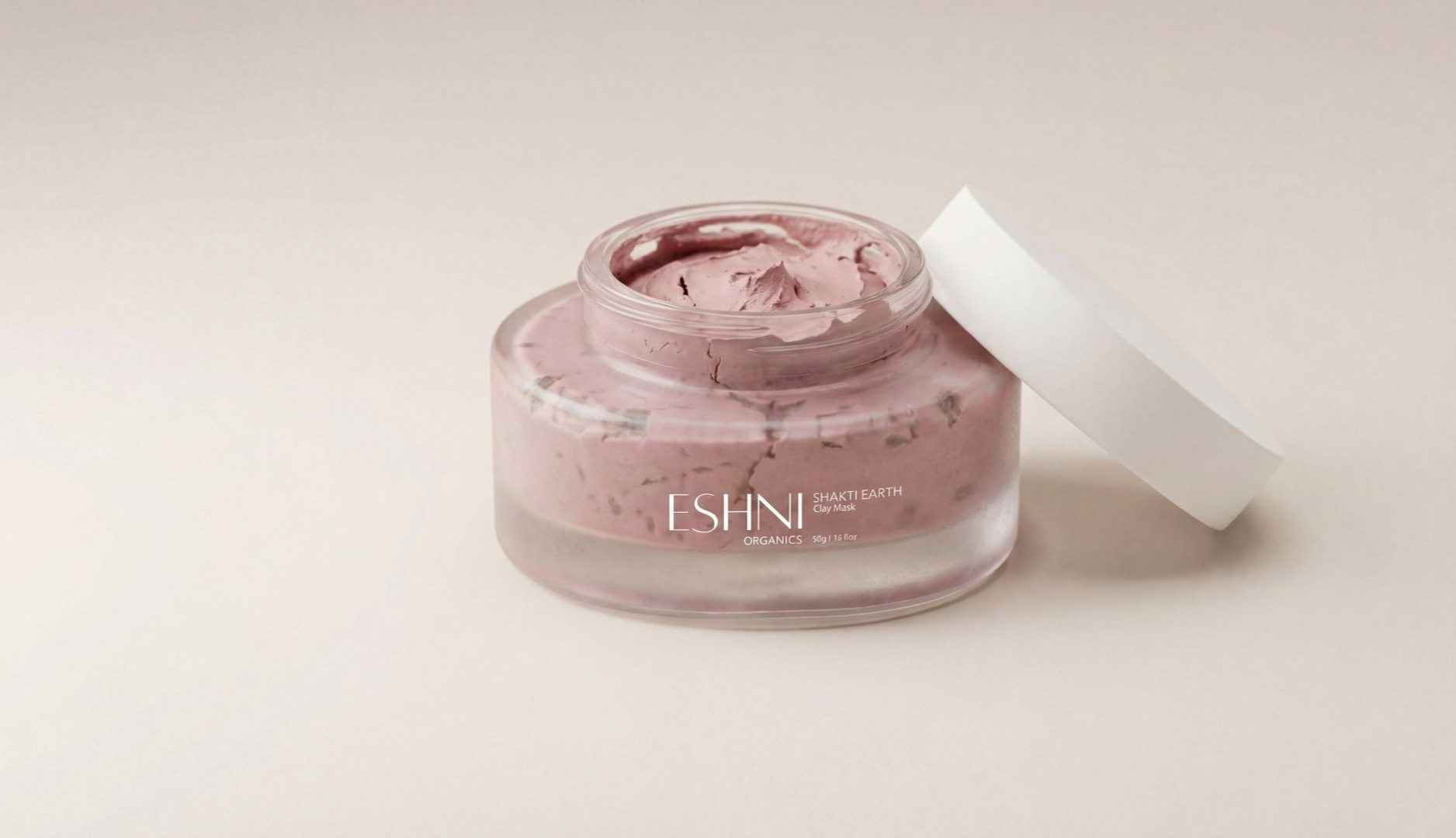
Natural skincare in Australia is having a moment, but not all of it is meaningful.
For years, brands have borrowed the language of nature — botanical, clean, gentle, plant-powered — without always explaining what those words actually mean. The result is a category that feels full of promise, but also full of confusion.
Australian women are starting to ask better questions.
What is really in this formula? Why is this ingredient here? Is it supporting my skin, or simply making the product feel nicer on application?
That shift matters.
Because true natural skincare is not about using nature as a marketing story. It is about formulation with purpose: Australian native botanicals chosen for their proven activity, Ayurvedic wisdom applied with intention, and unnecessary ingredients left out entirely.
Why Australians Are Questioning What Is In Their Skincare
For a long time, more felt like better. More steps, more actives, more claims on the packaging. The skincare industry grew comfortable with complexity, because complexity sells. A 12-step routine implies that skin is a problem requiring constant management.
But skin is not a problem. It's a living organ with its own intelligence, its own rhythms. And a growing number of Australian women have started to notice that the more they layer on, the more reactive and dependent their skin becomes.
The frustration is legitimate. Mainstream products often contain synthetic fragrances that trigger sensitivity, sulphates that strip the skin's natural barrier, and parabens used as cheap preservatives. None of these earn their place on the ingredient list for the sake of skin health. They exist for manufacturing convenience, shelf life, or sensory illusion.
When a person learns to read an ingredient list and recognises that the first several entries serve the product rather than the skin, trust erodes. And rightly so.
This is the moment where natural skincare Australia became less of a niche category and more of a considered response to a broken model.
The Problem With Synthetic Fillers and Silicones
Silicones deserve a specific conversation. They are among the most widely used ingredients in moisturisers, primers, and serums. And they work, in a narrow sense. They create a smooth, soft surface. They blur the appearance of pores. They make skin look refined in photographs.
But silicones don't treat anything. They coat the skin. They sit on top of the epidermis and create the sensation of softness without any underlying change. Once washed away, the original concern remains exactly as it was. Sometimes worse, because the pore environment has been occluded and the skin's own renewal process has been interrupted.
Think of it like painting over a crack in a wall. The surface looks better. The crack is still there.
Choosing no parabens, no sulphates, no silicones is not a marketing position. It's a commitment to formulating honestly. Every ingredient that enters a formula should be contributing something real: barrier support, antioxidant activity, hydration, cellular repair. If it's not doing one of those things, it has no reason to be there.
The principle that every ingredient earns its place is straightforward. But it requires genuine restraint in formulation, and most commercial skincare is not built around restraint.
What Australian Native Botanicals Actually Bring to Skin
Why natural skincare Australia is looking inward
Australia has one of the most biodiverse botanical environments on earth. Plants that survive the intensity of the Australian climate, its UV exposure, seasonal extremes, and nutrient-poor soils, develop extraordinary chemical resilience. That resilience translates into potent compounds that benefit human skin.
Kakadu plum contains the highest recorded concentration of vitamin C of any fruit in the world, reaching up to 100 times the vitamin C content of an orange. In skincare, vitamin C drives collagen synthesis, inhibits melanin overproduction, and neutralises free radical damage from environmental exposure. This is not cosmetic enhancement. It's measurable cellular activity.
Lemon myrtle carries antimicrobial and anti-inflammatory properties. It's particularly useful for congested or acne-prone skin, where bacterial activity and inflammation drive the visible concern. Lilli pilli is rich in anthocyanins, pigment compounds that also function as antioxidants. Quandong supports skin hydration and has a long history of traditional medicinal use across First Nations communities.
These Australian native botanicals don't require embellishment. They have documented biological activity that stands on its own. That's the difference between ingredients chosen for label appeal and ingredients chosen for function.
How Ayurvedic Wisdom Applies to Modern Skin Concerns
Ayurveda is a 5,000-year-old system of health and wellbeing that originated in India. At its core, it understands the body as a dynamic system requiring balance rather than correction. Skin, in Ayurvedic thinking, is a reflection of internal and external harmony. The goal is not to override the skin's natural function but to support it.
This philosophy maps with extraordinary precision onto what modern dermatology is learning about the skin microbiome. A compromised barrier, stripped by harsh cleansers or overwhelmed by synthetic actives, becomes reactive, inflamed, and dependent on topical intervention. Support the barrier, nourish the microbiome, and the skin begins to regulate itself.
Ayurvedic wisdom has always favoured botanical oils, plant-derived actives, and ritual consistency over acute intervention. The idea that a single serum used daily for 90 days outperforms a 10-product regimen used inconsistently is not a new insight. It's an ancient one.
When Ayurvedic skincare Australia practitioners speak about rituals, they mean something deliberate. Not a checklist. A practice. Something done with presence and intention, because the act of caring for skin is itself part of the health benefit.
Why Fewer Products Can Deliver More Meaningful Results
There is a study from the Journal of the American Academy of Dermatology that found layering more than five skincare products significantly increases the risk of sensitisation and barrier disruption. More products introduce more potential irritants, more opportunity for ingredient interactions, and more points of failure.
The minimalist skincare routine is not a compromise. It's a more sophisticated approach. Choosing fewer products that do more requires better formulation. Each product must be complete. Each must function without relying on the next step to correct what it couldn't achieve.
A well-designed six-product daily ritual can cleanse, balance, treat, hydrate, protect, and repair. That's a complete skin cycle, without redundancy. Every step has a clear purpose. The person using it understands why each product exists.
That clarity is underestimated. When you trust what you're using and understand what it's doing, you use it consistently. And consistency is the most powerful variable in skincare outcomes.
The Case for Ingredient Transparency in Skincare
Radical ingredient transparency sounds simple. Name every ingredient. Explain what it does. Leave out anything that isn't needed.
In practice, most brands don't do this. Ingredient lists are legally required but rarely explained. The INCI nomenclature used on packaging is intentionally opaque to lay readers. Brands benefit from consumers not fully understanding what they're buying, because understanding often leads to fewer purchases.
Transparency changes the relationship between a brand and a person. When a brand explains that Terminalia ferdinandiana is kakadu plum and that it's present because it delivers the highest natural source of vitamin C available in a formulation, the person using the product understands their skin is being treated rather than managed.
This is what certified organic and naturally derived should mean in practice. Not just clean sourcing, but clear communication about why every ingredient is present and what it contributes. The certification confirms the standard. The explanation builds the understanding.
Among the best organic skin care Australia offerings available today, the defining characteristic is not the number of certifications on the label. It's whether the brand can explain its choices plainly, without deflection.
How to Begin a Simpler, More Intentional Skin Ritual
Begin with what your skin actually needs
The word begin is important here. A shift toward simpler skincare is not a sudden overhaul. It starts with one question: what does my skin actually need right now?
Most skin needs three things consistently. Gentle cleansing that removes impurities without stripping the barrier. Targeted treatment for its primary concern, whether that's uneven tone, dehydration, or inflammation. And protection that seals hydration and shields from environmental stress.
Everything else is optional. A toner can be useful if it's doing real biochemical work. An oil can be a complete moisturiser for many skin types. A serum earns its place if it's delivering an active that the moisturiser can't carry at sufficient concentration.
The ritual, not routine, distinction matters. A routine is something you complete. A ritual is something you're present for. Two minutes of genuine attention to your skin, using products you understand and trust, will outperform fifteen minutes of distracted product layering.
Choosing among the best natural skincare Australia has to offer
The markers worth looking for in any brand claiming to be natural are straightforward. Is the ingredient list fully explained? Are the botanical claims backed by documented activity? Does the brand use no synthetic fragrance? Are there any hidden silicones under alternate INCI names like dimethicone, cyclopentasiloxane, or phenyl trimethicone?
For affordable natural skin care Australia buyers, value is best measured by dose. A single product that genuinely repairs barrier function and delivers antioxidant activity at therapeutic concentrations is worth more than five products that collectively deliver the same outcome with more fragrance, more packaging, and more complexity.
Eshni's approach was built from these questions. A deliberately minimal six-product range, each formulated with Ayurvedic wisdom and Australian native botanicals, with nothing present that doesn't contribute. No synthetic fragrance, no parabens, no sulphates, no silicones. Every ingredient named and explained.
You can read about the thinking behind Eshni's formulations on the about page. The philosophy there is consistent with everything described in this article: that essential care, given consistently and with genuine intention, is the most effective skincare practice available.
Frequently Asked Questions
What does natural skincare Australia actually mean?
In practice, natural skincare refers to formulations that use plant-derived, mineral, and certified organic ingredients rather than synthetic compounds. In Australia, this is relevant because it intersects with access to unique native botanicals, a strong wellness culture, and increasing consumer demand for ingredient transparency. It doesn't have a single legal definition, so looking for certified organic status and fully explained ingredient lists remains the most reliable approach.
Are Australian native botanicals better than imported ingredients?
Better is the wrong frame. Australian native botanicals are distinctive because they've evolved in a unique and often extreme environment. Kakadu plum's vitamin C concentration and lemon myrtle's antimicrobial activity are specific to those plants and difficult to replicate with imported equivalents. The case for using them is functional, not nationalistic.
Can a minimalist skincare routine actually address real skin concerns?
Yes, and the evidence supports it. Research consistently shows that fewer, well-formulated products applied consistently outperform complex multi-step routines for most people. Layering too many products increases the risk of sensitisation and barrier disruption. A complete six-step ritual covering cleansing, treatment, and protection can address barrier health, uneven tone, dehydration, and inflammation without redundancy.
How do I know if a product contains hidden silicones?
Silicones appear under several INCI names: dimethicone, cyclopentasiloxane, cyclohexasiloxane, phenyl trimethicone, and amodimethicone are among the most common. If any of these appear in the ingredient list, the product contains silicones regardless of how it's marketed. Brands committed to transparency will confirm their silicone-free status directly and list every ingredient with explanation.
Is an organic face moisturiser suitable for all skin types?
A well-formulated organic face moisturiser can suit all skin types, but formulation specifics matter. Oil-based formulas suit dry and mature skin well. Lighter hydrating formulas with humectants such as hyaluronic acid or aloe vera suit oily or combination skin. The key is understanding your skin's primary need and choosing a moisturiser that addresses barrier support without occluding pores unnecessarily.
If you're ready to simplify your skincare and experience what essential care actually feels like, Shop Essential Care.